
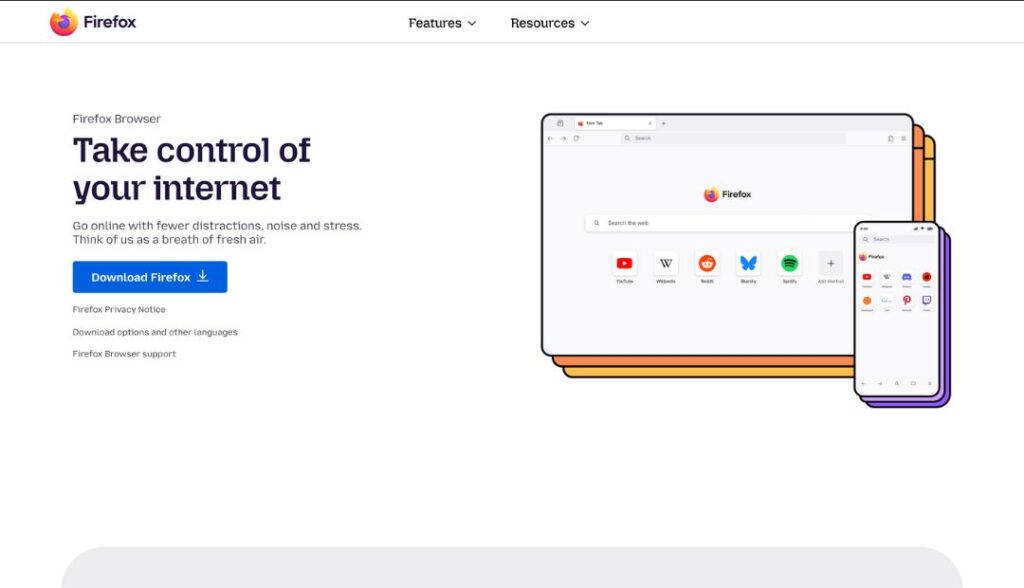
Firefox: The Open-Source Browser That Puts Privacy and Freedom First
In a digital world dominated by massive tech companies, Mozilla Firefox stands out as a champion of privacy, open-source innovation, and user control. For over two decades, Firefox has been one of the most trusted browsers in the world — beloved by developers, privacy advocates, and everyday users alike. With its commitment to transparency, customization, and ethical technology, Firefox continues to offer a refreshing alternative to the data-driven ecosystem of many mainstream browsers.
The Origins of Firefox
The story of Firefox began in the early 2000s when the web was largely ruled by Internet Explorer. At the time, web standards were inconsistent, and innovation was stagnating. In 1998, the Mozilla Project was created as an open-source initiative stemming from the codebase of Netscape Navigator, one of the earliest popular web browsers.
By 2002, Mozilla developers Dave Hyatt, Joe Hewitt, and Blake Ross began working on a lightweight, faster, and more user-friendly browser that would later become Mozilla Firefox. The first official version, Firefox 1.0, was released in November 2004 and quickly gained millions of downloads — an impressive feat in an era when most people used Internet Explorer by default.
The goal of Firefox was simple yet revolutionary: to make the web open, accessible, and safe for everyone.
Firefox’s Mission: A Browser Built for People, Not Profit
Unlike many of its competitors, Mozilla is a non-profit organization. This means Firefox isn’t designed to sell your data or lock you into an advertising ecosystem. Instead, its mission is to ensure that the internet remains a global public resource — open and accessible to all.
This philosophy has shaped Firefox’s development over the years, focusing on user privacy, data transparency, and control. Mozilla’s approach has earned Firefox a loyal following among those who value ethical technology and freedom online.
Key Features That Define Firefox
Over the years, Firefox has evolved into a powerful, privacy-first browser packed with features for both everyday users and developers. Here are some of its most notable highlights:
- Enhanced Tracking Protection (ETP): Automatically blocks known trackers, cookies, and scripts that collect your browsing data.
- Private Browsing Mode: Goes beyond traditional incognito modes by deleting cookies and history when you close the window.
- Total Cookie Protection: Keeps cookies isolated per website, preventing advertisers from tracking you across multiple sites.
- Customizable Interface: Rearrange toolbars, themes, and extensions to create a personalized browsing experience.
- Pocket Integration: Save articles and videos directly to your Pocket account to read or watch later — even offline.
- Performance and Speed: The Quantum Engine, introduced in 2017, made Firefox faster and more efficient, using less memory than competing browsers.
- Cross-Platform Sync: Sync bookmarks, passwords, and tabs across all devices using a Firefox Account.
- Reader View: Strip away ads and clutter to read articles in a clean, distraction-free layout.
- Web Developer Tools: Built-in console and inspector tools make it a favorite among developers and designers.
- Extensions and Add-ons: Access thousands of add-ons to enhance functionality, from ad blockers to productivity tools.
Each of these features reflects Mozilla’s ongoing commitment to improving performance while keeping user control at the forefront.
Firefox and Privacy: Built for a Safer Internet
In an era when user data has become a commodity, Firefox continues to lead with strong privacy protections. Mozilla has consistently advocated for digital rights and data transparency, often pushing other browsers to follow suit.
For example, Firefox was one of the first to introduce Enhanced Tracking Protection by default, forcing competitors like Google Chrome and Microsoft Edge to reconsider their own privacy settings. Mozilla also runs initiatives like Firefox Monitor, which alerts users if their email addresses have been involved in data breaches, and Firefox Relay, which allows you to use anonymous email aliases to protect your identity online.
Mozilla’s stance is clear: your data belongs to you.
Firefox for Developers and Tech Enthusiasts
Firefox isn’t just popular among privacy advocates — it’s also a favorite among developers. Its open-source architecture allows programmers to inspect, modify, and improve the browser freely.
The Firefox Developer Edition is specifically tailored for coders and designers, offering advanced features such as:
- A JavaScript debugger that works across multiple browsers.
- A responsive design mode for testing websites on different devices.
- Network and performance analysis tools to optimize site loading times.
- Support for the latest CSS and HTML standards.
For many in the tech community, Firefox’s open nature embodies the spirit of the web — collaborative, transparent, and ever-evolving.
The Modern Firefox Experience
Over time, Firefox has embraced modern web technologies without compromising its identity. The sleek Proton interface, introduced in 2021, brought a fresh, minimalist look while improving usability. Meanwhile, features like Multi-Account Containers let users separate their browsing sessions — perfect for managing personal, work, and shopping accounts without cross-tracking.
Firefox also continues to innovate with tools like:
- Firefox Focus — a lightweight, privacy-focused mobile browser.
- Mozilla VPN — a secure, private network service integrated with your Firefox Account.
- Firefox Sync — keeping your data encrypted and accessible across devices.
By balancing innovation with ethics, Firefox remains one of the few browsers that prioritize both performance and privacy.
The Role of Firefox in Today’s Internet
In 2025, Firefox continues to be a vital force in maintaining an open and healthy internet. While Chrome, Safari, and Edge dominate market share, Firefox’s influence extends beyond numbers. Many of the privacy standards and security innovations now common in web browsers started with Mozilla.
Moreover, Firefox’s open-source foundation encourages transparency and community participation. Thousands of developers around the world contribute to its codebase, ensuring it evolves with the web’s changing landscape.
For users who value privacy, independence, and open technology, Firefox remains one of the best browsers available — not just as a tool, but as a statement about what the internet should be.
Final Thoughts
From its beginnings as a rebellion against the stagnation of early web browsers to its current role as a privacy-first pioneer, Mozilla Firefox has never stopped standing up for users. It’s more than software — it’s a movement built around the idea that the internet should serve people, not corporations.
Whether you’re a developer, a privacy advocate, or someone who simply values freedom online, Firefox offers a browsing experience that’s fast, secure, and principled. In a world where so much of our digital life is tracked, analyzed, and monetized, Firefox continues to prove that the open web is worth protecting.